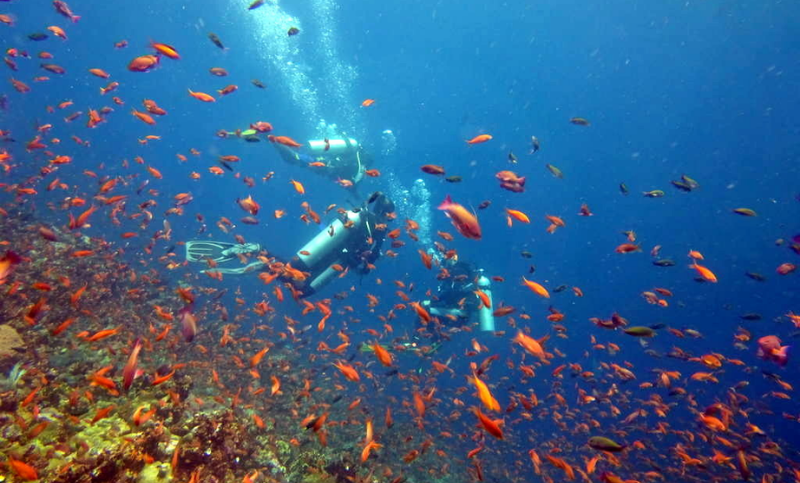
Komodo is diveable and snorkellable every month of the year. The real question is what kind of Komodo you want. April to October is the strongest all-round window, with calmer seas, better visibility and the whole park open. December to March is manta season in the south, with more rain and rougher days.
The short answer
- Best all-round months: April to June and September to October. Good conditions, thinner crowds.
- Peak season: July and August. Great visibility, busiest boats, and the park quota fills early.
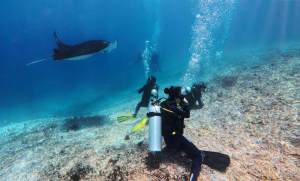
- Best for mantas: roughly November to March in the south. Manta Point in the centre also works much of the year.
- Best for snorkelling: April to October, when the sea is calmest.
- Roughest months: December to February. Expect some days lost to weather and plan flexibility in.
- Water temperature: around 27 to 30 degrees in the wet months. Cold upwellings can drop the south to the mid-twenties in July and August.
Who this is for
Divers and snorkellers choosing a month for Komodo based on what they most want from the water, rather than whichever week looked convenient in the calendar.
The two broad seasons
- Dry season, roughly April to November: calmer crossings, stronger visibility, and the blue-water conditions most people picture. It is also the busier stretch of the year.
- Wet season, roughly December to March: more rain, more plankton and a rougher surface. Underwater, that same productivity is what draws the mantas.
March and November are the transition months. Neither boundary is hard. The shift happens over several weeks and varies by year.
Month by month
- January: wet season is established. South Komodo is the manta zone. Seas and weather are variable, and the north is often too rough.
- February: prime manta month in the south, and the most changeable weather of the year. Some days will be lost.
- March: rain easing and visibility improving. A good mix of late mantas and quieter sites.
- April: the season turns. Visibility improves, the park is quiet and value is good.
- May: many operators’ favourite all-round month. Warm, clear and calm.
- June: dry, clear and settled. Crowds start building.
- July and August: peak season. Excellent visibility, cooler water in the south and the most boat traffic. Book early.
- September: still dry and clear, with the crowds thinning. A strong pick if you can choose.
- October: quietly one of the best months. Good conditions, easier crowds.
- November: a transition month. Some days feel like dry season, others bring wind and swell. Southern mantas start to appear.
- December: rains begin, the south becomes accessible and manta season ramps up.
Mantas, visibility and what to prioritise
Mantas are seen across the year, but the best period shifts by zone. The south is strongest from about November to March. Manta Point’s cleaning stations are the most reliable encounter in any month. If visibility and classic reef conditions matter most, the dry months are the cleaner bet. If you want productivity and movement underwater, the wet side of the year is very rewarding.
Snorkelling seasons
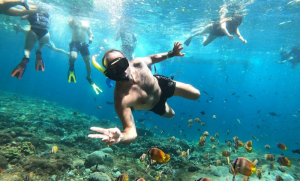
Snorkelling follows the sea state. April to October is the easy window for Pink Beach, Manta Point, Taka Makassar and Kanawa. In the wet months you can still snorkel, but boats may change routes or skip stops when the swell is up, so keep your dates flexible. Our snorkelling guide covers the best spots.
Currents by season
Komodo’s currents follow the tides more than the calendar, so strong-current days and easier days happen all year. Your guide should be reading the tide and the site every day. If you are newer to current diving, that does not rule Komodo out. It means choosing the right operator and sites, and bringing slightly less ego than usual. Our dive sites guide sorts sites by level.
Crowds and booking
Komodo now runs a daily visitor cap with tickets booked through SiOra, so peak months fill early. Book your boat first and build the rest of your trip around it. See how to book and the fees guide. If you are weighing a day trip against an overnight boat, read liveaboard vs day trip.
Mistakes to avoid
- Assuming wet season means bad diving. It is mantas season.
- Booking July or August late.
- Locking in a tight schedule in December to February.
- Choosing the month before choosing what you want to see.