Labuan Bajo’s wet season runs from roughly November to March. February is usually the wettest month. That is the honest picture, and it is not the story of a destination that shuts down. Here is what wet season actually means for your trip.
Who This Is For
Travellers considering a Labuan Bajo visit between November and March who want a realistic view of what they will encounter.
What Wet Season Actually Looks Like
Wet season in Labuan Bajo does not mean constant rain. It means afternoon storms, occasional morning showers, more humidity, and sea conditions that are less predictable than in the dry season. Between December and February, a genuinely heavy rain day happens several times a week. Most days still have several hours of sunshine.
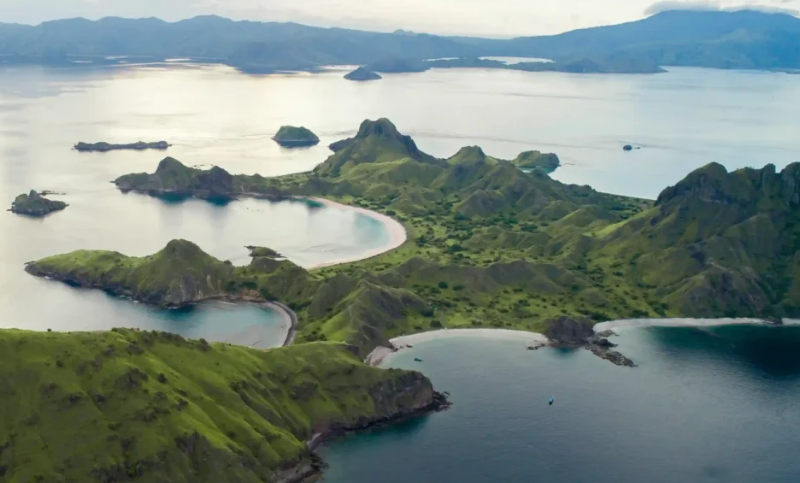
What changes: boat trips to the park may be delayed, shortened, or occasionally cancelled due to sea conditions. The Padar Island hike becomes treacherous in rain. Some snorkel sites have lower visibility due to runoff and plankton blooms.
What does not change: Labuan Bajo is open. Restaurants, tours, dive shops, and mainland attractions operate year-round.
December
The start of wet season but often still manageable. Rain is more frequent than in November but not yet at its heaviest. Year-end holiday travel increases visitor numbers. Manta sightings are building toward their peak.
January and February
The wettest months. Multiple rainy days per week, higher humidity, and the most variable sea conditions of the year. Manta ray aggregations are at their annual peak. Underwater visibility is patchy, sometimes excellent at depth, sometimes murky in the shallows from plankton.
If you have one shot at a Komodo day trip and book it in February, there is a real chance of delay or cancellation. Plan with flexibility or schedule multiple days so a backup day is possible.
March
Conditions usually improve through the month. Late March is often reliably good. Manta sightings remain strong. Prices and visitor numbers are still well below peak. For flexible travellers, late March can be one of the better-value windows of the year.
What Wet Season Has Over Dry Season
- Manta rays: the largest aggregations at Manta Point usually happen November to February
- Prices: accommodation and tours are often cheaper than peak season
- Crowds: Padar Island, Manta Point, and the dragon islands are usually less busy
- Liveaboard availability: operators often have more flexible scheduling and group sizes
Practical Advice for Wet Season Travel
- Buy comprehensive travel insurance that covers weather-related cancellations
- Book accommodation with flexible cancellation policies
- Build buffer days into your Komodo trip schedule
- Check conditions with your operator in the week before your trip
- Bring a light waterproof layer, afternoon storms can be short but heavy